
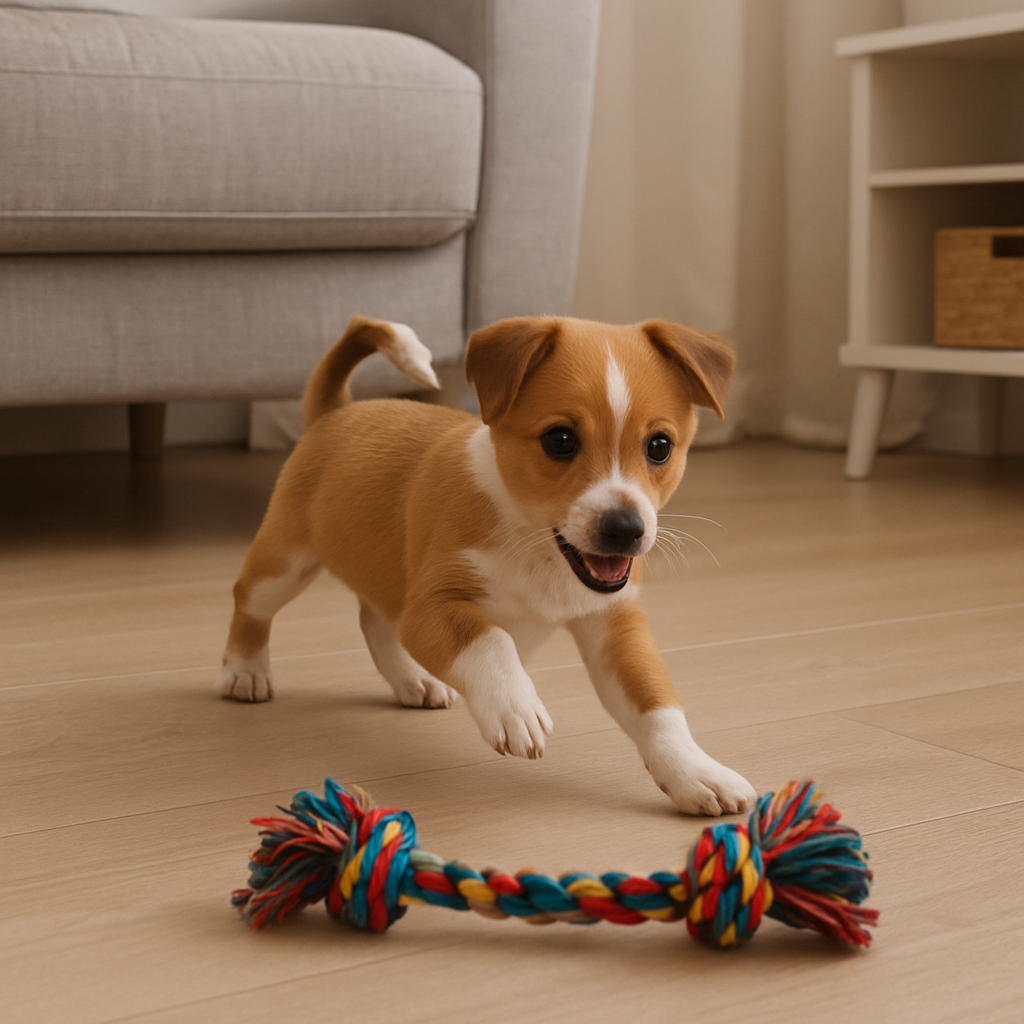
Benefits of having small dogs at home
Having a small dog at home can be a rewarding experience. These furry companions offer unconditional love and daily joy. Additionally, they are ideal for those living in limited spaces.
Small dogs are easy to handle and transport. This makes them a perfect choice for people with active lifestyles. They are also more economical in terms of food and care.
Dog training is essential for these little friends. With proper guidance, they can learn quickly and adapt to different environments. Additionally, their manageable size makes them ideal for families with children.
Small dogs are also known for their longevity. This means they can be lifelong companions for many years. In this article, we will explore the multiple benefits of having small dogs at home.
Why choose small dogs as pets?
Choosing small dogs as pets has many benefits. They are easier to handle compared to large breeds. Their compact size makes them perfectly suited for apartments and small houses.
Transporting small dogs is simple and convenient. You can take them with you on trips or outings without issues. Additionally, their small size makes them suitable for those who cannot handle larger breeds.
Small dogs are also economical in terms of maintenance. They consume less food, reducing expenses on small dog food. Veterinary care tends to be more manageable due to the lack of diseases associated with rapid growth.
Here are some specific reasons to choose them as companions:
-
Small space: They adapt to living in smaller areas.
-
Ease of transport: They are ideal for travel.
-
Low maintenance costs: They consume less food and resources.
Ultimately, small dogs provide love and companionship, making them a valuable choice. Their adaptability and affectionate nature make them wonderful pets for any type of home.

Advantages of small dogs in confined spaces
Small dogs easily adapt to limited spaces. In houses or apartments with fewer square meters, they are an ideal option. They don’t need large areas to move or play.
Also, their compact size makes coexistence easier. They can sleep in small beds or play without the risk of breaking objects. Lack of space is not a problem with these pets. Their presence does not interfere with home furniture.
Another advantage is that despite their size, small dogs are very active. With minimal space, they exercise adequately. They do not require a large yard to run or play. Here are some key advantages:
-
Simple coexistence: They adapt to different types of housing.
-
Lower risk of accidents: Their size helps avoid accidents.
-
Sufficient indoor space: They enjoy playing and moving around inside the house.
Finally, small dogs are perfect for those living in big cities. Urban hustle can be complicated for large breeds. In contrast, small dogs find it easier to handle urban situations.

Proper feeding: food for small dogs
Providing adequate nutrition is essential for the health of small dogs. Food specifically formulated for them is vital. These foods are designed to meet their unique nutritional needs.
Small dogs have a faster metabolism than large breeds. They require foods with higher caloric density to maintain their energy. Food for small dogs is more concentrated in nutrients and proteins.
Also, the size of the kibble is important. Small dogs prefer smaller pieces that are easy to chew. This reduces the risk of choking and improves digestion.
When choosing suitable food, consider the following:
-
Main ingredient: Look for high-quality proteins like chicken or lamb.
-
Balanced content: It should include essential vitamins and minerals.
-
Natural additives: Prefer ingredients with natural supplements.
Finally, change the food gradually if you decide to try a new brand or type. Introduce the new food by mixing it with the current one. This helps avoid common digestive problems during the transition.
The right choice of food can extend your pet's life. This contributes to their well-being and happiness.

Dog training for small dogs
Training is fundamental for the proper behavior of any dog, regardless of size. Small dogs are often underestimated in this regard. However, good training is crucial to prevent behavioral problems.
To begin, reward-based training is especially effective. Small dogs respond well to positive methods, such as treats and praise. This strengthens the bond between owner and pet.
Start with basic commands like "sit" and "stay." These commands are essential for good behavior both at home and in public. Practicing daily ensures consistent results and improves obedience.
Here are some training tips:
-
Start young: The earlier you start, the better.
-
Be consistent: Consistency is key to learning.
-
Use positive reinforcement: Rewards and praise are effective motivators.
Finally, a common mistake is "oversocialization," where small dogs are excessively pampered. Limiting this and encouraging independence contributes positively. A well-trained small dog is a balanced and happy member of the family.
Health and longevity of small pets
Small dogs tend to enjoy greater longevity compared to their larger counterparts. This factor makes them especially attractive to families looking for long-term companions. Their extended life expectancy is a significant advantage.
However, like any pet, small dogs can be susceptible to specific health problems. They are more prone to certain conditions such as dental issues and heart diseases. Therefore, regular visits to the veterinarian are essential for proper monitoring and prevention.
To ensure a long and healthy life, keep in mind:
-
Regular check-ups: To prevent and detect early diseases.
-
Moderate exercise: Adapted to their size and energy.
-
Balanced diet: Choosing the right food is essential.
Additionally, it is vital to keep them mentally and physically active. Simple activities like intelligence games and short walks can make a difference. This contributes to an active and satisfied life.

Small dogs and their role in the family
Small dogs integrate exceptionally well into family dynamics. Thanks to their size, they are ideal for homes with children, providing safe and fun companionship. They tend to be playful and are always ready for an adventure in the yard or inside the house.
These dogs are also perfect for elderly people. They offer companionship without demanding much physical exercise, making them ideal life companions for those who prefer a quieter life. Additionally, they bring joy and affection, essential elements for emotional well-being.
In a family, small dogs can take on various roles:
-
Playmates for children: Their energy and enthusiasm always bring fun.
-
Emotional assistants: They provide comfort in moments of stress or sadness.
-
Home watchdogs: They alert with their bark in case of unexpected visitors.
In all cases, their sociable and affectionate nature enriches family life immeasurably.
Essential care for small dogs
Caring for a small dog requires attention to certain unique details of their size. It is essential to maintain a balanced diet, avoiding overweight, as even a few extra grams can affect their health. Provide food specifically designed for small dogs to meet their nutritional needs.
Also, make sure your small dog receives regular veterinary care. Small breeds may be more prone to certain health conditions, such as dental or joint problems. Regular vet visits will help prevent and treat any issues in time.
It is essential to provide a safe environment inside the house. Small dogs can suffer accidents from falls that seem insignificant to humans. Be sure to close stairs and block access to balconies.
Include coat and teeth care in your routine:
-
Regular brushing: To avoid tangles and control shedding.
-
Oral hygiene: Brush the teeth to prevent tartar buildup.
-
Nail trimming: Do it monthly to avoid discomfort.
Also make sure to provide appropriate toys that stimulate their mind and help channel their energy. A safe and enriching environment significantly contributes to the well-being of your small pet.

Tips for socialization and emotional well-being
Early socialization is key to the emotional development of small dogs. Exposing them to different environments, people, and other animals helps them build confidence. This reduces anxiety and stress in new situations.
Providing mental enrichment is essential. Intelligence games, training sessions, and new tricks keep their mind active. The routine should include playtime to avoid boredom and unwanted behaviors.
Frequent human contact is vital for their emotional well-being. Small dogs often seek more interaction with their owners. Make sure to offer quality time, including petting, walks, and joint activities.
-
Daily play sessions: To strengthen the bond.
-
Varied activities: Keeping their routine interesting and stimulating.
-
Positive reinforcement: Rewarding good behavior increases confidence.
The combination of socialization, mental stimulation, and affection ensures a balanced and happy small dog.

Conclusion: Why are small dogs an excellent choice?
Small dogs offer numerous benefits for those seeking a faithful companion. Their size makes them perfect for small spaces, such as apartments, providing companionship without overwhelming the environment. Their ease of transport makes sharing adventures simple.
Economically, small dogs generally consume less food. This can result in significant savings in the long run. Additionally, their smaller size usually means lower costs for accessories and care.
The bond formed with them is deep and affectionate. They offer constant companionship, making them ideal for elderly people or those with limited mobility. Their ability to adapt to various lifestyles ensures that, regardless of the environment, a small dog can become an inseparable and loyal friend. With their charm and personality, they are an excellent choice for any home.


